

Stories of Hope

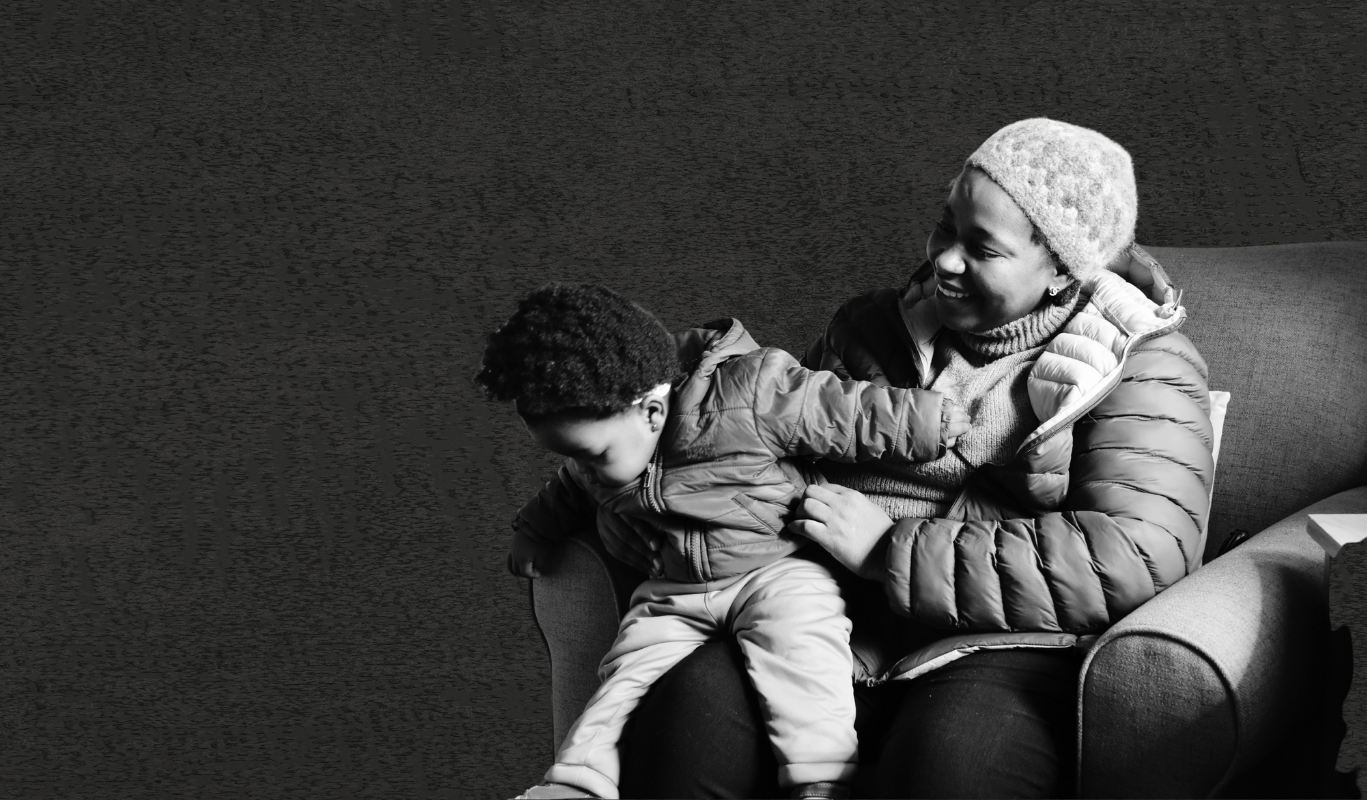
Magret’s Story

“I didn’t know where I was going to go. I didn’t have money to get a house. I didn’t have friends where I could stay. I had a lot of questions — being in Canada and not knowing how things work.” 

“I didn’t know where I was going to go. I didn’t have money to get a house. I didn’t have friends where I could stay. I had a lot of questions — being in Canada and not knowing how things work.” 

Magret arrived in Canada with very little and faced a path that felt, at times, impossible to navigate. As a woman with no income and no established support system, she found herself in a shelter — grateful for the roof, but always aware that it was temporary. The clock was ticking. Her time there was running out, and every day brought the same relentless question turning over and over in her mind: where am I going to go next?

The uncertainty was more than logistical. It was all-consuming. Magret couldn’t focus. She couldn’t plan. She couldn’t breathe. When you don’t know where you’ll be sleeping, it’s impossible to think about anything else. The smallest steps forward — the ones most people take for granted — were out of reach. Every time she tried to look ahead, the fear pulled her back.

She registered for housing support through the shelter, not knowing if anything would come of it. She waited. She stayed patient, even as the days counted down. Then came the call about a place called Hope House.

“The first day I reached here, I really loved that place. It is a very cool place. It’s a home. I have peace — first of all, I have peace. The place is so safe. And everything around is good.”

The change was immediate and profound. Not just in her circumstances — but in her mind. “Before, this thing was always triggering me. Where am I going to stay? Where can I be? But after reaching here, my mind really, really got back to normal.” The fear that had followed her every day — the fear of homelessness, of having nowhere left to turn — finally began to lift.

With stability came possibility. Magret enrolled in school. She built a routine: up at 5am, at work by 9, in class until 10:30 at night. The kind of schedule that is only achievable when you are no longer consumed by survival. Her caseworkers helped her navigate the paperwork and processes that had once felt overwhelming — her work permit, her PR application, the systems that shape a life in a new country.

It was watching her caseworker, Jada, and the rest of the Hope House team — that quietly redirected her future. She saw the care they brought to their work. The way they showed up, without hesitation, for every woman who needed them. And something shifted in her. “I love to help people,” she said. “I was like — if they can do this, I can do this too.”

Magret is now completing a diploma in Social Work. When asked where she hopes to work one day, her answer came without a pause: somewhere like Hope House. A place where she can be for someone else what this community has been for her.

“They changed my life. I think I can change someone’s life too.”

Magret’s story is one of 31 unfolding at Hope House today. Your support makes each one possible.
Read Story Close

Deborah’s Story

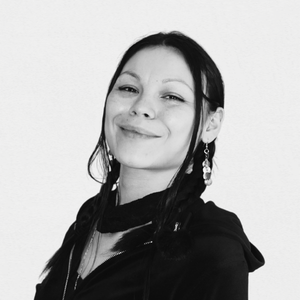
Deborah arrived in Canada carrying two lives on her shoulders: her own, and her infant daughter’s. Far from home, without family nearby, and navigating an unfamiliar system she had no roadmap for, she found herself in a shelter.

“I’m alone here with my baby. My husband is not here. So, most of the things I’d do back home, I cannot do them here — because now I have to think about the baby, and not just myself.”

Deborah arrived in Canada carrying two lives on her shoulders: her own, and her infant daughter’s. Far from home, without family nearby, and navigating an unfamiliar system she had no roadmap for, she found herself in a shelter — grateful, but uncertain about what came next. Every decision, every step forward, had to account for a baby who depended entirely on her. The weight of that, alone in a new country, was immense.

When her caseworker at the shelter first told her about Hope House, Deborah’s instinct was to say no. The shelter, for all its limitations, had people in it. Familiar faces. Someone to talk to at the end of a hard day. Moving to a new place, unknown and untested, felt like trading one kind of uncertainty for another. What if she ended up more isolated than before? What if it wasn’t the right move?

Her caseworker encouraged her to say yes. So did her friends at the shelter. So, she took the leap.

“When I got here, I found people from back home — from Nigeria — that I could actually relate with. The staff are supportive. Coming here, it’s like a step forward for me.”

The community she had feared she would lose, she found again — in a different form, in an unexpected place. A neighbour she met through one of Hope House’s programs became a friend, a confidante, and eventually the person who told her about the childcare program she is now studying. “If I didn’t come here, I’d probably not meet her. She’d probably not tell me about the school. I probably won’t be where I am right now.”

Her caseworker at Hope House stepped in on the practical things that would have overwhelmed Deborah on her own — securing her baby’s passport, scheduling appointments, cutting through the bureaucratic complexity of building a new life in a new country. Things that seem small from the outside, but that can feel impossible when you are doing everything alone. “She was a very big help. So many things I’ve been able to achieve coming in here.”

And then, one month ago, Deborah’s daughter turned one. In a shelter, that birthday might have passed quietly. At Hope House, surrounded by neighbours who had become her people, Deborah threw her daughter a proper celebration — a big birthday party, lovely photos, a moment of pure joy carved out of what had been a very hard year. It was small, and it was everything.

Now, with school finishing in June and her daughter settled in daycare, Deborah is beginning to look further ahead — at a career in childcare, at stability, at the possibility of one day starting a business. Dreams that felt out of reach not long ago. “All those opportunities are available,” she says, “because I am at peace right now.”

Deborah’s story is one of 31 unfolding at Hope House today. Your support makes each one possible.
Read Story Close

Tyra’s Story

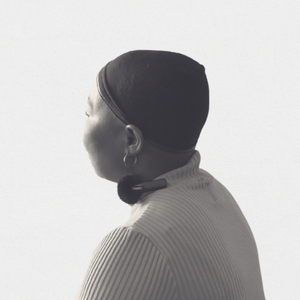
Tyra didn’t have a plan when she grabbed a bus ticket and came to the city. She just knew she had to leave the situation she was in. She arrived with nowhere to stay, found her way to transitional housing, and eventually found her way to Hope House.

Tyra didn’t have a plan when she grabbed a bus ticket and came to the city. She just knew she had to leave the situation she was in. She arrived with nowhere to stay, found her way to transitional housing, and eventually found her way to Hope House.

She is not someone who speaks in grand declarations. But the things she says matter.

“Having my own kitchen.” That was her answer when asked what had made her feel like life was moving in a better direction. It sounds small. It isn’t. Tyra lives with PTSD. Before Hope House, using a shared kitchen was its own kind of ordeal — hypervigilance, the sounds, the strangers, the constant low hum of not feeling safe. Her own kitchen, her own door, her own space to exist without bracing herself — that changes things in ways that are hard to put into words.

So, she cooks. Salmon, stir fries, rice. She wakes up early, cleans her space, goes to the grocery store. She runs. She takes care of her mental and physical health with the kind of intentionality that comes from knowing what it feels like when you can’t. Twice a week, she shows up at a First Nations assembly at the waterfront — keeping watch, tending sacred fires, making sure that the stories of missing and murdered Indigenous women are not forgotten, that the space cannot be quietly erased.

She is, in her own way, rebuilding. Quietly, deliberately, on her own terms.

When asked if life has gotten better, she didn’t hesitate. “Yeah. Definitely, definitely gotten better.”

And to anyone who feels like things will never change: “You can end up somewhere you’d never guess. Life does change. Things do get better. Recovery is real.”

Tyra’s story is one of 31 unfolding at Hope House today. Your support makes each one possible.
Read Story Close

Blessing’s Story

“Before coming to Hope House, it was terrible for me. Life was difficult, unstable. I don’t know if you have experience of shelters — you see different characters, different people. It was difficult for me. Until my caseworker called me.”

“Before coming to Hope House, it was terrible for me. Life was difficult, unstable. I don’t know if you have experience of shelters — you see different characters, different people. It was difficult for me.”

Blessing arrived in Canada carrying the hopes of an entire family back home in Nigeria. She had skills — she could do hair, sew clothes, build things with her hands. But without stable housing, without privacy, without a place to simply breathe and plan, those skills and those dreams had nowhere to go. The shelter gave her a roof. It could not give her the space she needed to become who she came here to be.

Life in the shelter was relentless. If she wanted to make a phone call — to her family, to anyone — she had to step outside or whisper from a washroom. She could not cook what she wanted to eat. She could not be loud, or tired, or fully herself. Every day was spent navigating a shared space with strangers, while trying to hold together a life that felt like it was barely held in place.

Then her caseworker at the shelter called and told her to come fill in a housing form. A week later, she got another call: Hope House had accepted her. Come see the unit.

“I was like — who am I to get this kind of call? When I entered this house, I said, Jesus. I don’t know how to explain it. I was so happy. Even the staff that came with me could see the kind of joy I had in me.”

The moment she stepped through the door, something shifted. She felt it immediately — privacy. The simple, profound freedom of being in a space that was hers. She could talk to her family freely. She could cook her own food. She could close a door. “It’s like a connection from God,” she said quietly. “It’s a blessing to me.” Her name, it turns out, was never just a name.

With that foundation beneath her, Blessing got to work. She enrolled in a Personal Support Worker program and began English language classes alongside it. She interviewed for a job in security. She is preparing for a placement. She volunteers. She fills her days with forward motion, one step at a time.

Her dreams are clear and expansive. She wants to work as a personal support worker — caring for elderly people who need help with the tasks of daily life, the way she herself was once cared for. She wants to be established enough to support her friends. She wants the people who believed in her when she left Nigeria to see that their faith was not misplaced.

“I know that leaving my country and coming here, many people expect me to do a great thing in life. My prayer is that before next year, God should establish me in a situation where I can help others. That is my dream.”

Blessing’s story is one of 31 unfolding at Hope House today. Your support makes each one possible.

Read Story Close